what you need to bake bread
— and what to use instead, if you don't have it
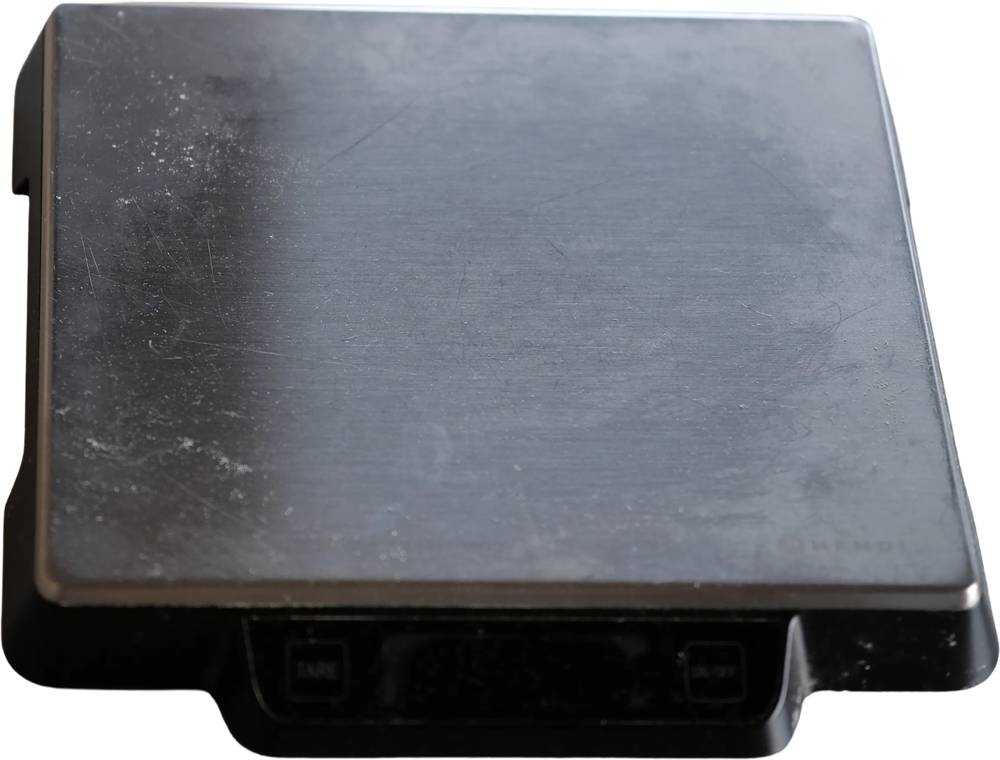
Kitchen scale, 1 g steps
Bread is chemistry. A cup of flour can weigh 120 g or 160 g — that's a different dough.
No scale? Sorry, but you'll need to buy one :(
- aHonestly — get one. The cheapest digital scale works. It's the one tool with no good swap.
- bFor starter and salt: 1 g precision matters most. 7 g of salt vs 10 g is a different bread.
Grams, not cups
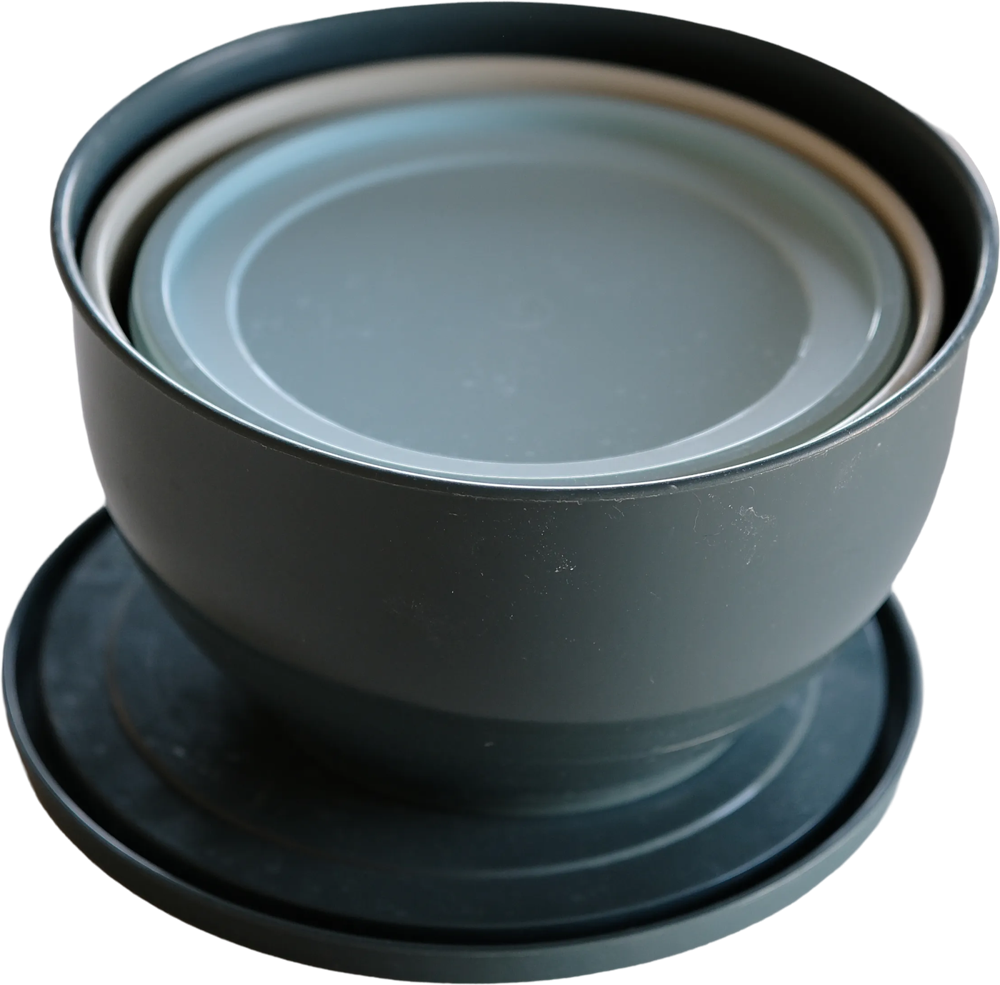
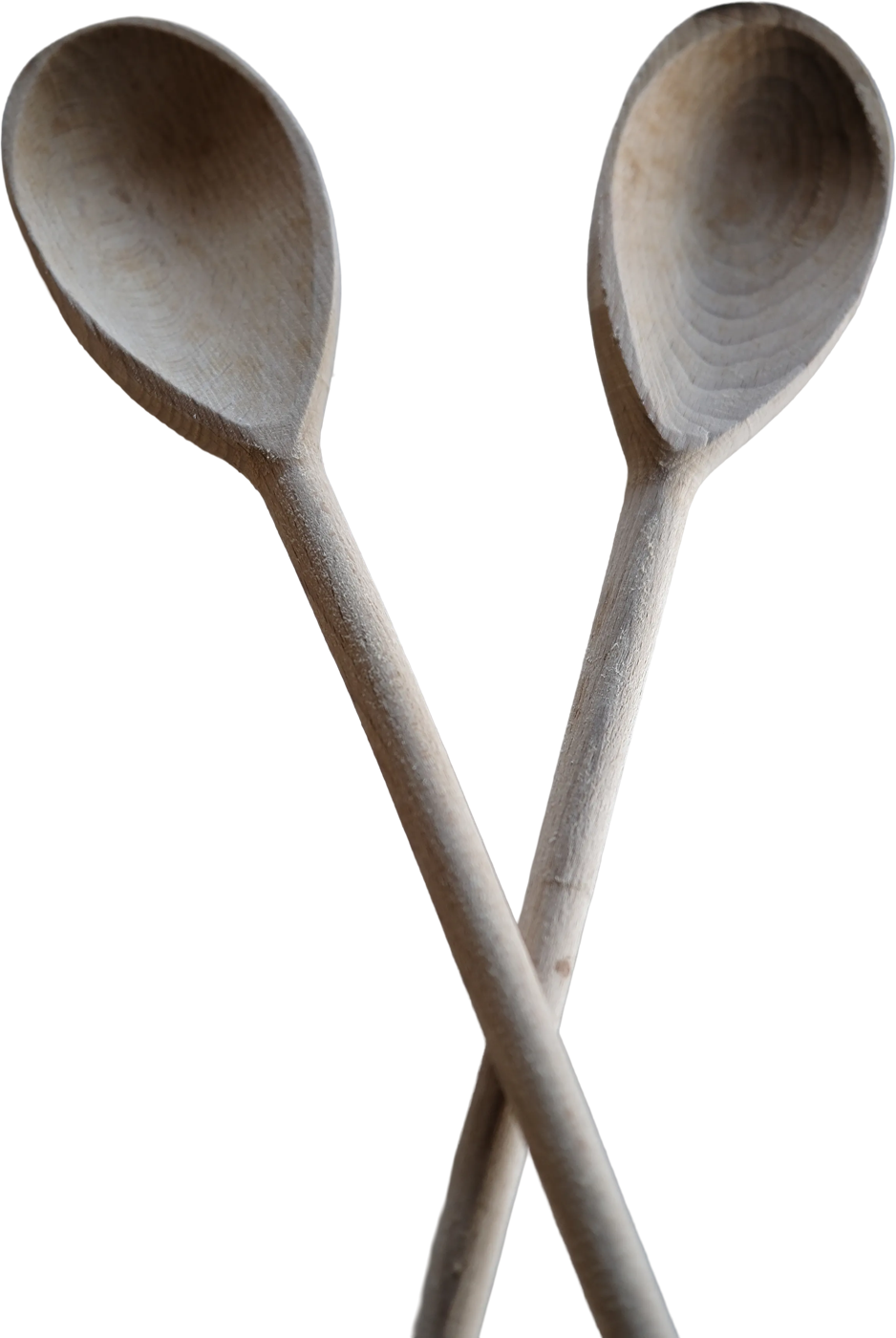
Big bowl + spoon
The dough grows while it rises — by 50–60% in this recipe. Take a bowl with plenty of room to spare.
No bowl or spoon? Use:
- aAny pot or a large food container — at least 3 litres for 1 kg of dough.
- bYour hand instead of a spoon — wet it first, dough won't stick.
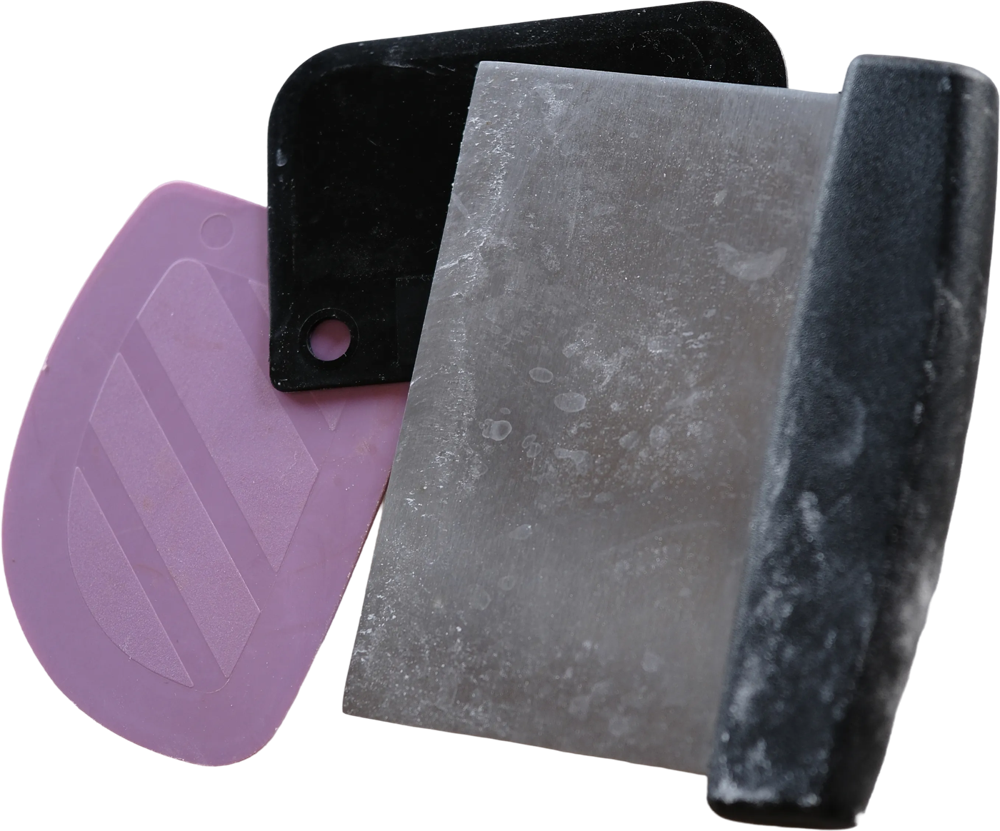
- cAn old bank card instead of a dough scraper — to scrape the bowl and shape the dough.
No mixer needed. Ever
Proofing basket (banneton)
Holds the shape overnight in the fridge, so the loaf doesn't spread flat.
Tip: rice flour on the towel — nothing sticks.
No basket? These work just as well:
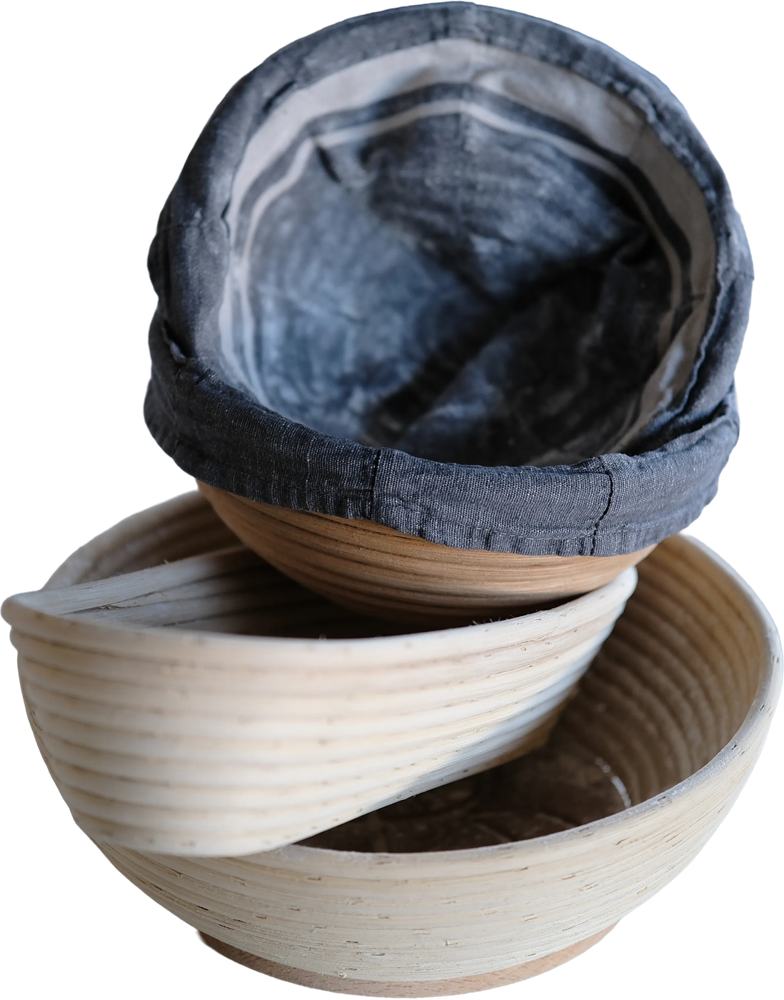
- 1A bowl lined with a kitchen towel — cotton or linen, not terry, and flour it well.
- 2A colander + towel — air flows from below, crust gets a nice skin.
- 3A plastic container with a lid — no cap needed, the lid keeps it from drying.
Cast iron pot with a lid
Traps steam for the first 20 minutes — that's what lets the loaf rise and open.
Steam = rise = open crumb
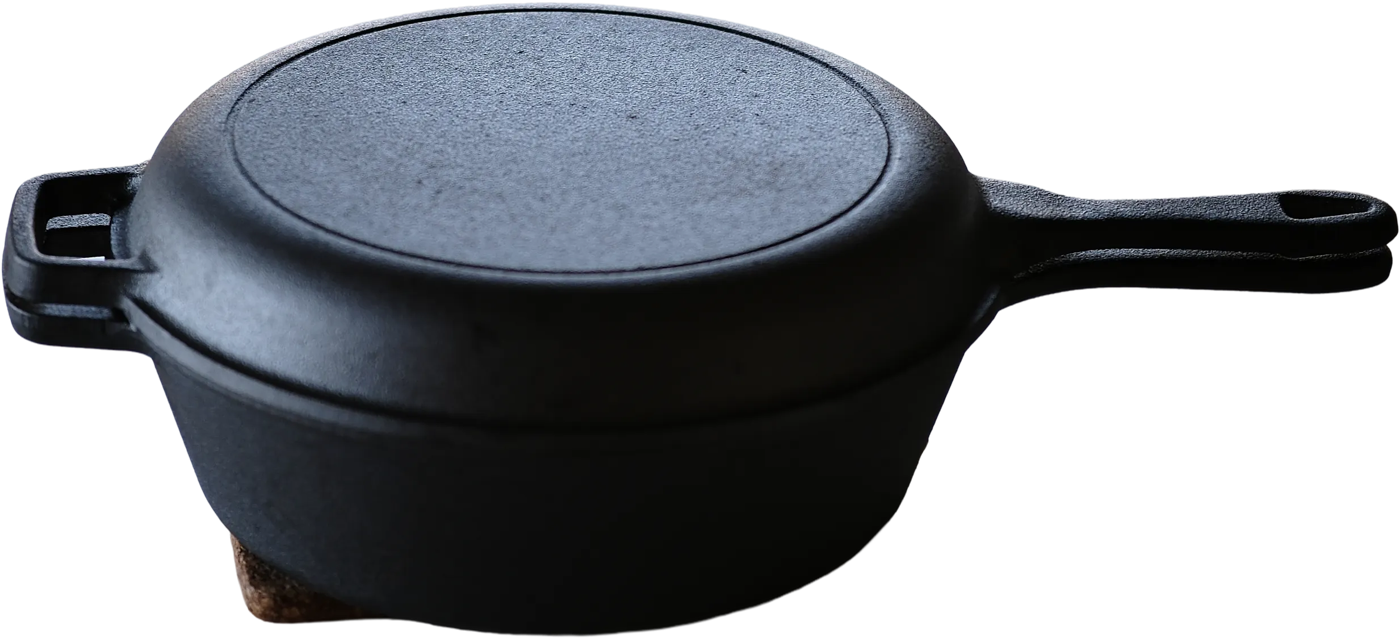
No cast iron? These work just as well:
- ✓A roasting bag on a tray — cut it open after 20 min, like taking the lid off. Check the pack: it must be rated for 250 °C.
- ✓Any oven-safe pot with a lid — ceramic, glass, steel. Check the handles and the maximum temperature. Glass hates sudden changes: never put it cold into a hot oven or onto a cold wet surface.
- ✓A tray + a pan of boiling water below it — steam without a lid. Remove the water after 20 min.
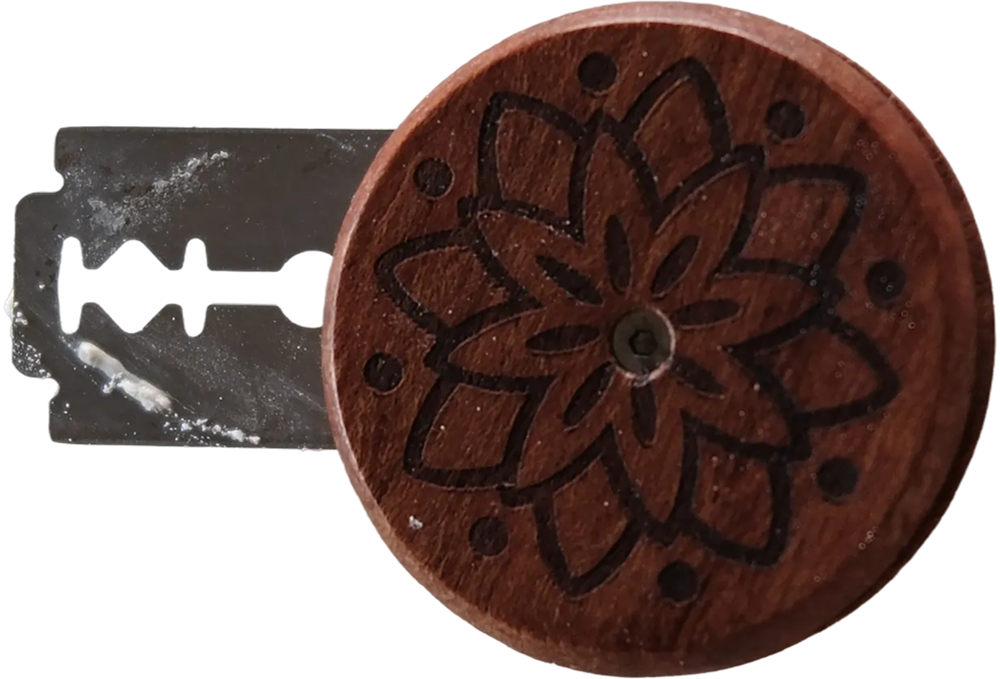
Razor blade or knife
A cut tells the bread where to open. Without it, it bursts wherever it wants.
No blade? These work just as well:
- ✓The sharpest knife you have — serrated works too. One quick confident cut.
- ✓Kitchen scissors — snip a few "spikes" on top. Looks great.
- ✓A razor on a wooden coffee stirrer — a DIY blade holder that costs nothing.
Cold dough cuts easier
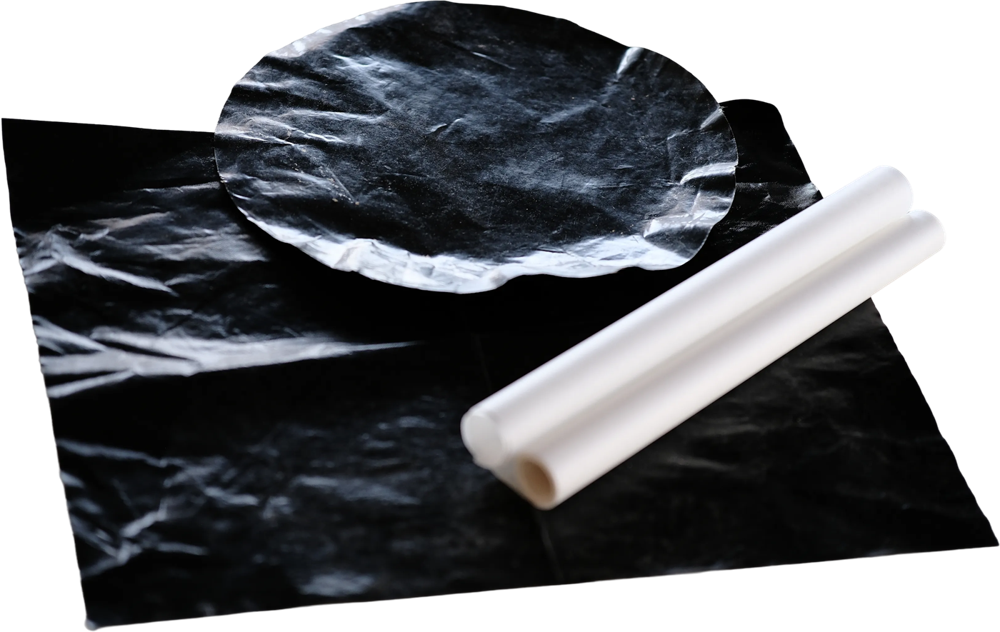
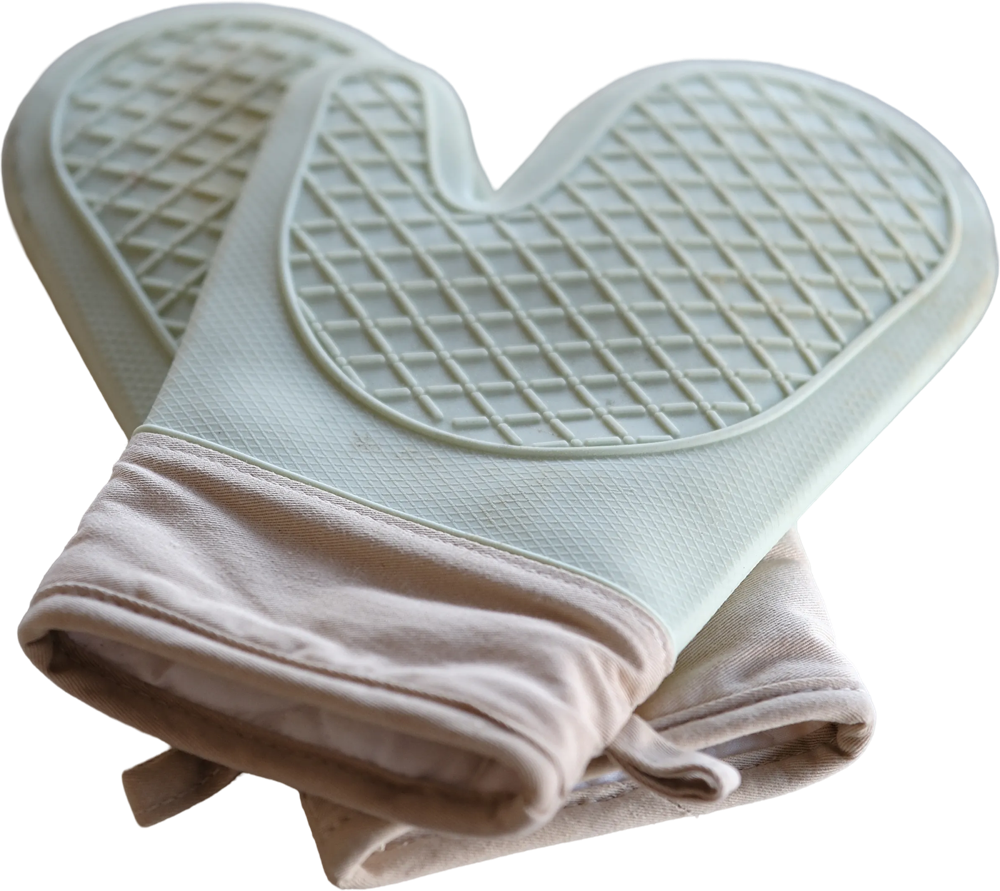
Parchment + oven mitts
The pot is 250 °C. Parchment lets you lower the dough in without touching it.
No parchment or mitts? Use:
- aA teflon baking mat — reusable, lasts for years.
- bA thick folded towel instead of mitts — dry only. A wet towel burns through instantly.
Please don't skip the mitts. 250 °C doesn't forgive mistakes :(
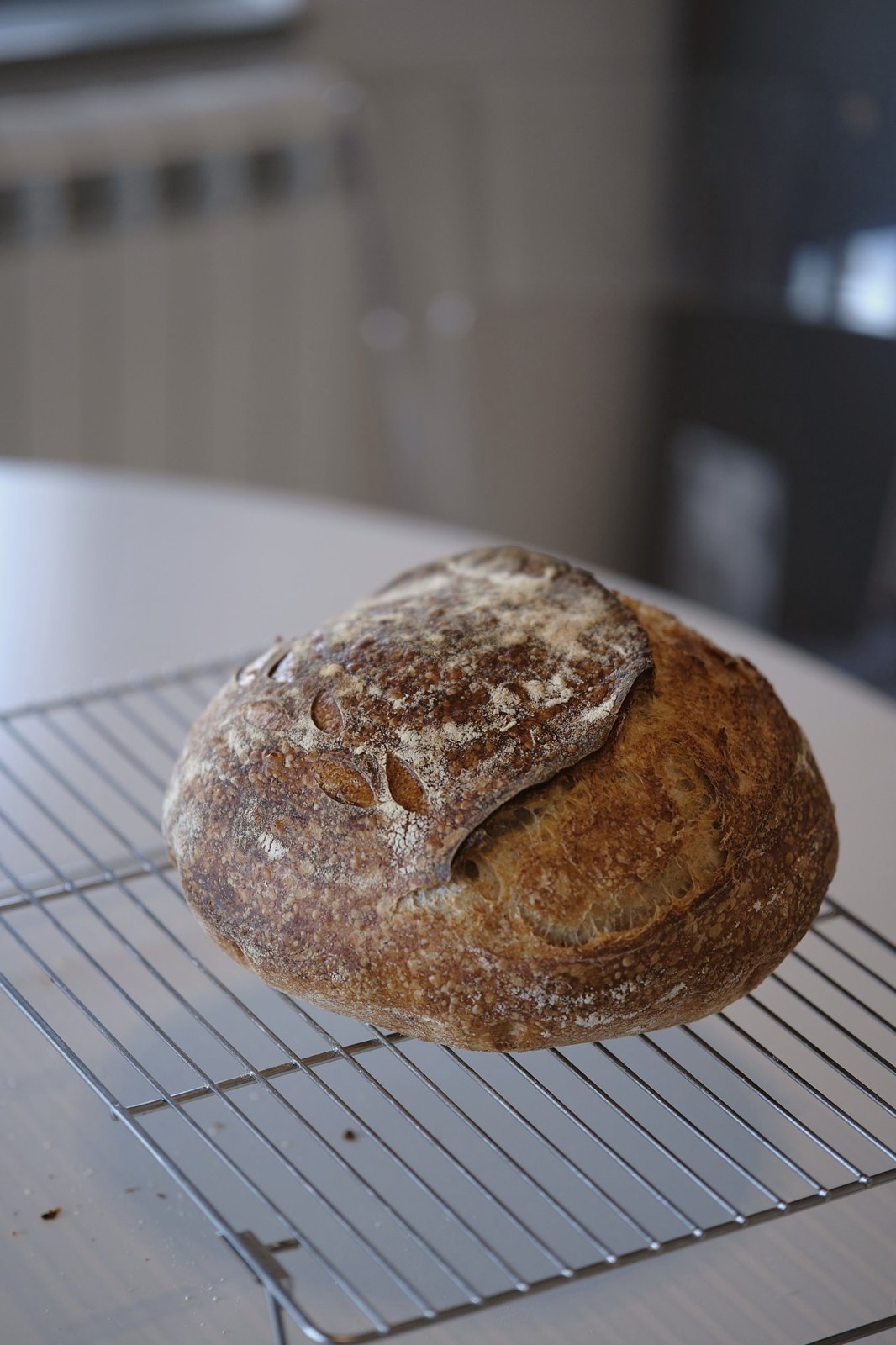
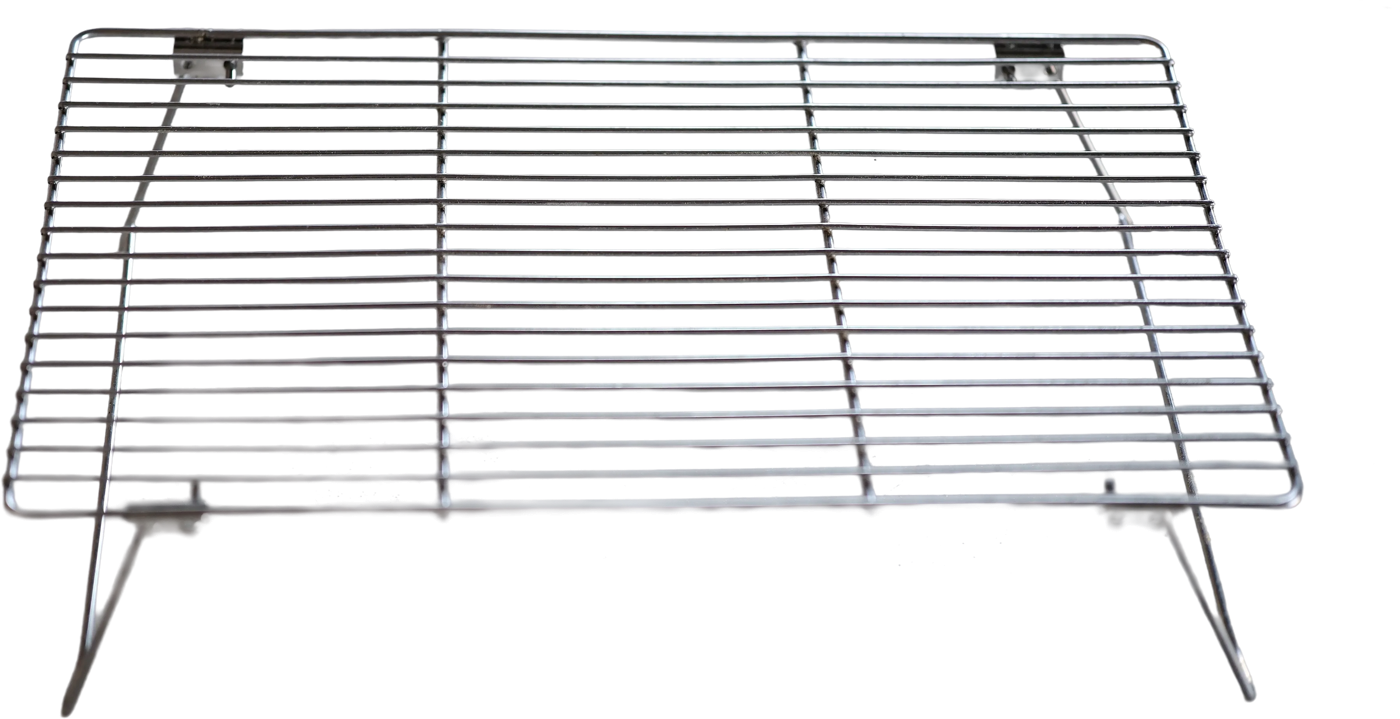
Cooling rack
The loaf keeps steaming for an hour. On a flat plate, that steam turns the bottom soggy.
No rack? These work just as well:
- ✓The rack from your oven — pull it out, let the loaf cool on top.
- ✓Two wooden spoons on the table — lay the loaf across, air flows underneath.
- ✓Stand the loaf on its side — lean it on something, turn it once or twice.
And wait 1 hour before cutting — the crumb is still setting.
Probe thermometer
In this recipe I keep the dough at 23–25 °C. You can bake your first loaf without it — but a thermometer is what makes your results repeatable.
No thermometer?
- aUse water from the fridge in the mix — keeps you safely below 26 °C most of the year.
- bWatch the dough, not the clock — +50–60% in volume, bubbles, a jiggle.
You DON'T need: a mixer, a proofer, special flour from abroad.
